





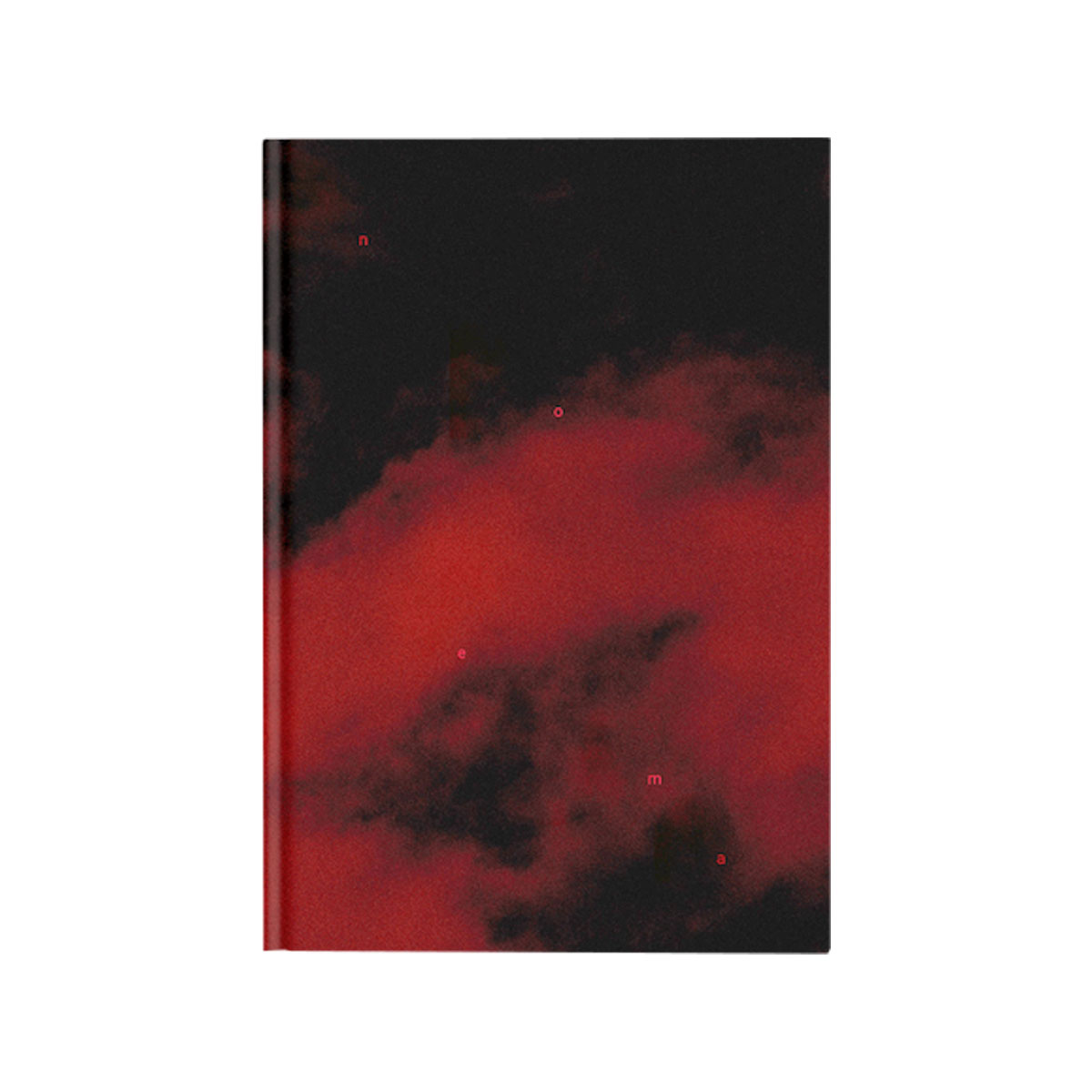
Michael Swann: Noema
€43
Keyword: 21st century, photography, faith, visions, Spain, Bosnia & Herzegovina, British photographer
Size: 150 x 210 mm Pages: 176 Format: hardcover Edition: 400 copies Language: English Illustration: 49 b/w, 7 in colour Book design: Janne Riikonen, Michael Swann Printing: die Keure Publisher: Kult Books Pub Year: 2024 Weight: 252 g ISBN 13: 9789198760682Description
Article no.: 9789198760682
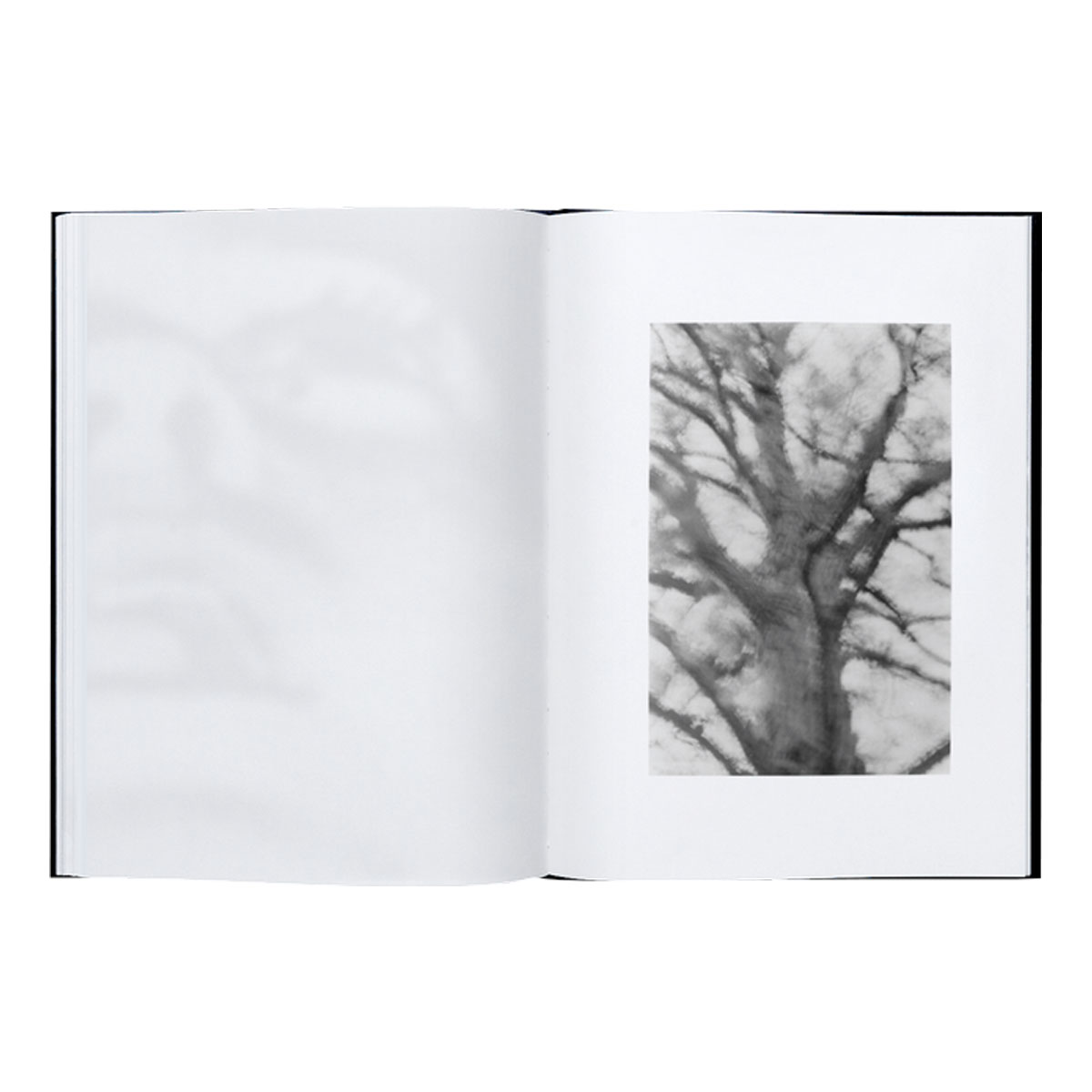
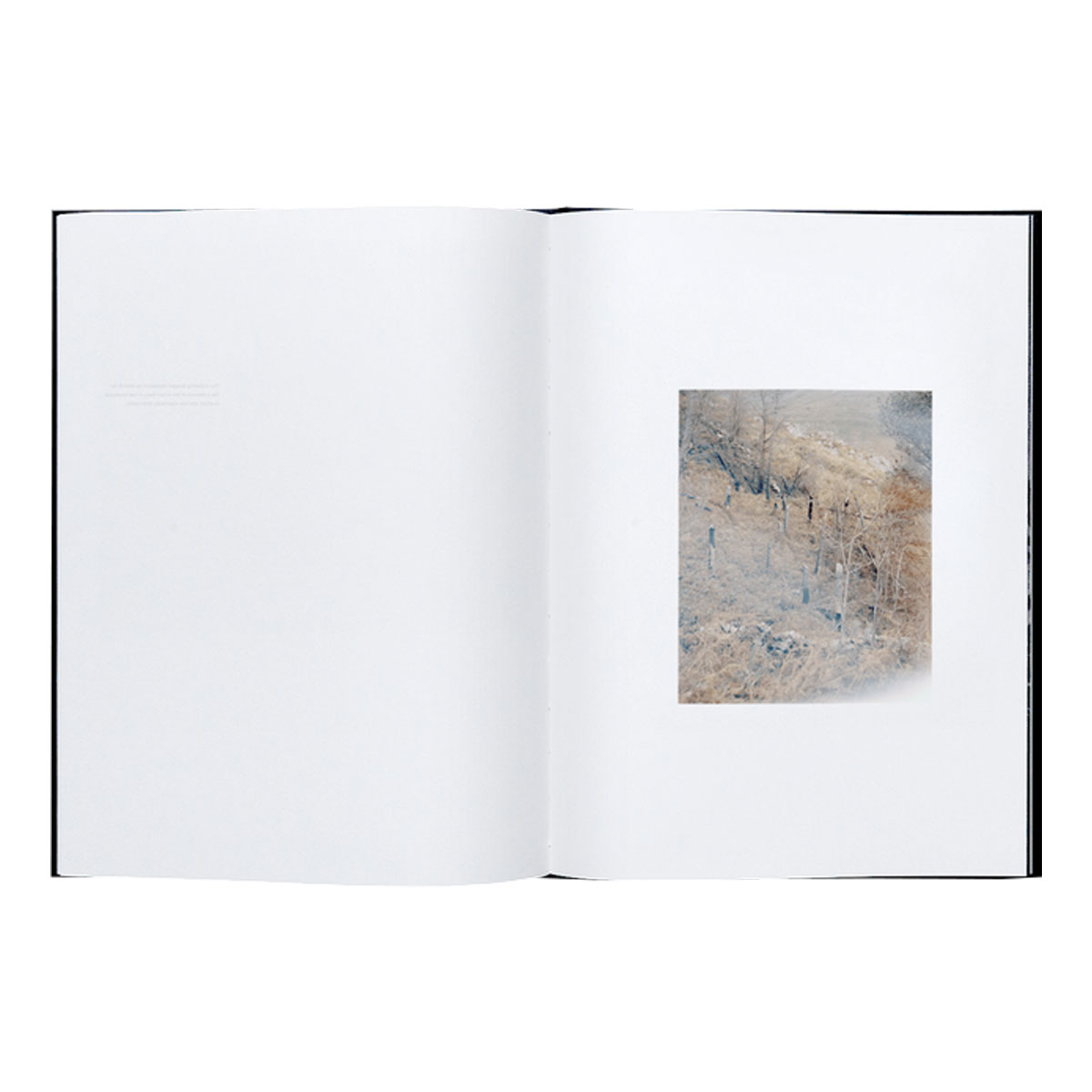
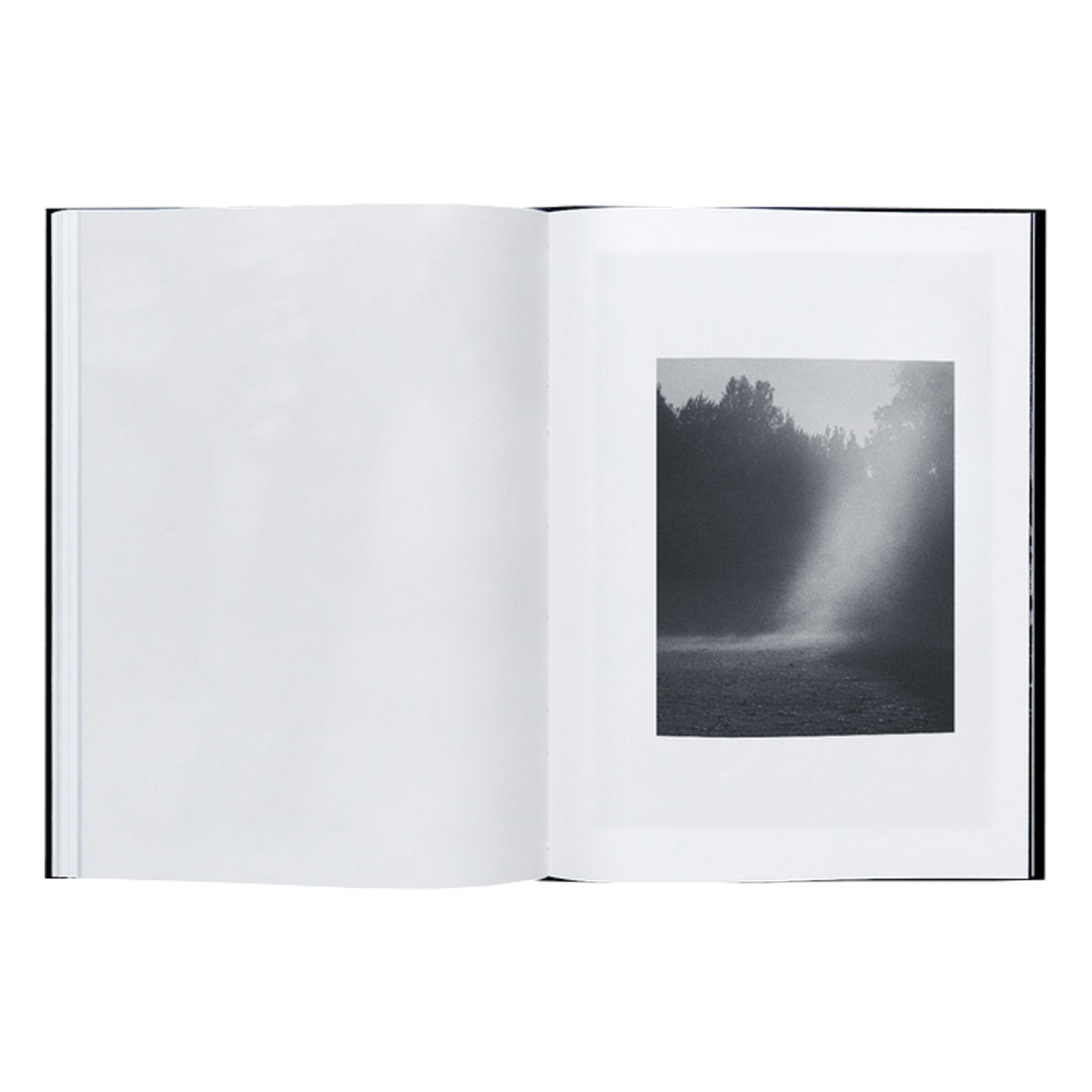
Noema is a body of work that investigates the aura of place and religious experience by searching for signs of the Virgin Mary’s presence in two locations: San Sebastian de Garabandal in Spain and Medjugorje in Bosnia & Herzegovina.
From the publisher:
In 1961, in the small Spanish village of San Sebastian de Garabandal, four young girls had an apparition of the Virgin Mary. They entered a state of ecstasy in which they became completely unaware of their surroundings and sensory perceptions. Reportedly, witnesses would pinch the girls, pierce their skin with needles, lift them up and drop them onto rough rocks, and yet they remained entranced. The light and presence of the Virgin is all they claim to have experienced. Twenty years later, in the town of Medjugorje, in Bosnia & Herzegovina, six children also had simultaneous visions of the Virgin, with similar ecstatic qualities.
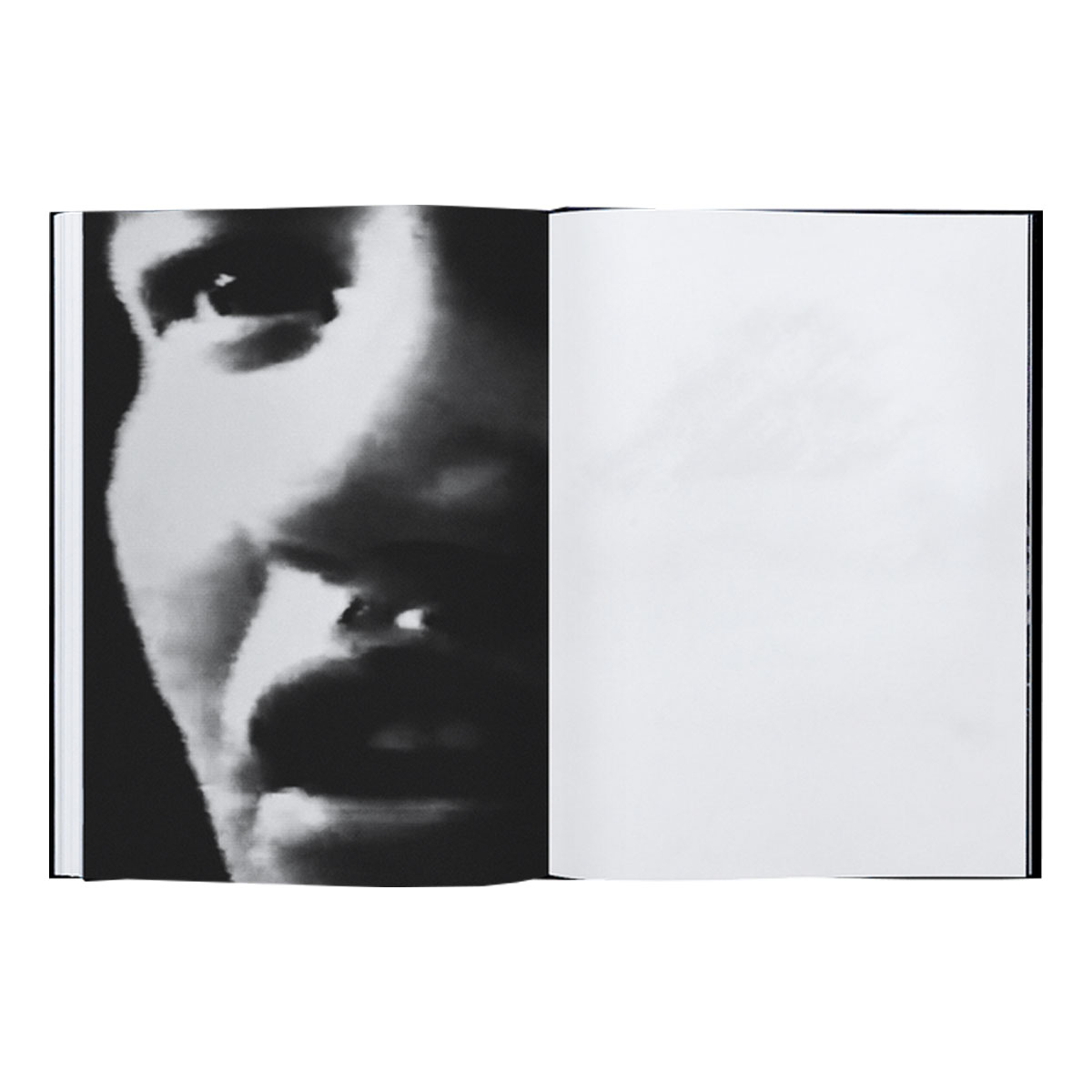
In his debut book Noema Michael Swann investigates the aura of place and religious experience by searching for signs of the Virgin Mary’s presence in these two locations. Alongside original photographs made at both sites, Noema also includes images that have been appropriated from video footage of the visionaries taken during their apparitions. These emphasise the impenetrability of the individual religious and phenomenological experience, and speaks to the separation between what is apparently being seen and what is photographable.
From the publisher:
In 1961, in the small Spanish village of San Sebastian de Garabandal, four young girls had an apparition of the Virgin Mary. They entered a state of ecstasy in which they became completely unaware of their surroundings and sensory perceptions. Reportedly, witnesses would pinch the girls, pierce their skin with needles, lift them up and drop them onto rough rocks, and yet they remained entranced. The light and presence of the Virgin is all they claim to have experienced. Twenty years later, in the town of Medjugorje, in Bosnia & Herzegovina, six children also had simultaneous visions of the Virgin, with similar ecstatic qualities.
In his debut book Noema Michael Swann investigates the aura of place and religious experience by searching for signs of the Virgin Mary’s presence in these two locations. Alongside original photographs made at both sites, Noema also includes images that have been appropriated from video footage of the visionaries taken during their apparitions. These emphasise the impenetrability of the individual religious and phenomenological experience, and speaks to the separation between what is apparently being seen and what is photographable.