




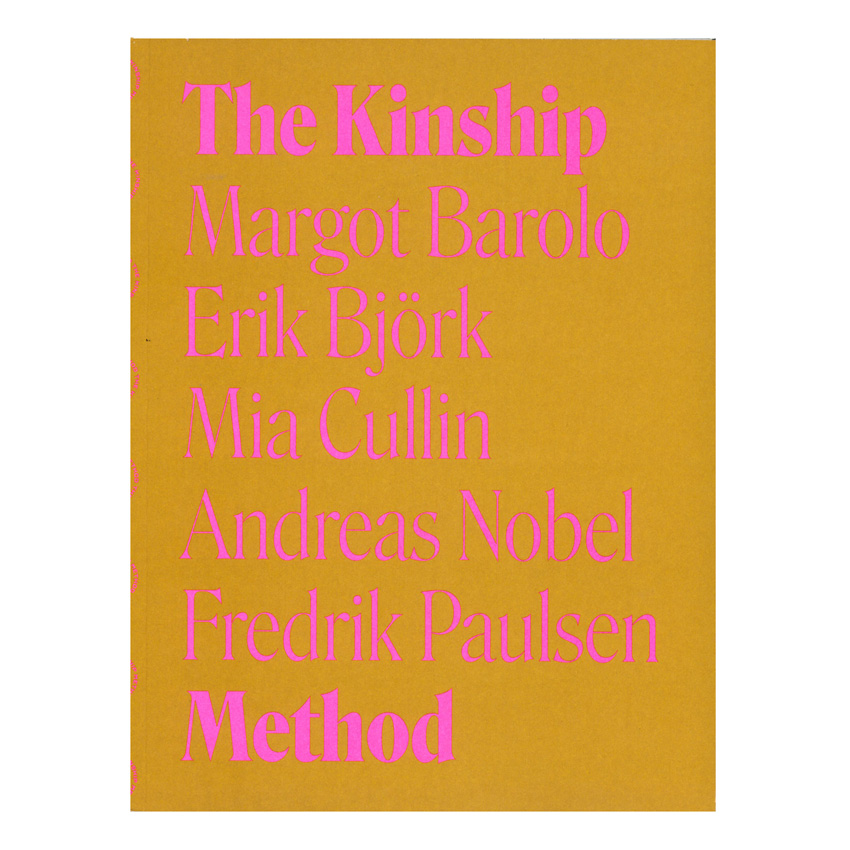
The Kinship Method
€19
Keyword: 2018-19, artistic research, experimental design project, design methods, furniture, chair, Swedish designers Designers: Margot Barolo, Andreas Nobel, Erik Björk, Mia Cullin, Fredrik Paulsen.
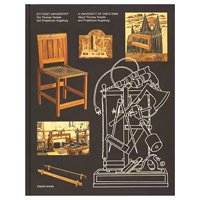
Size: 190 x 255 mm Pages: 110 Format: softcover Language: English Illustration: richly in colour Editor: Margot Barolo, Salka Hallström Bornold Text: Margot Barolo, Salka Hallström Bornold, Andreas Nobel, Mia Cullin, Erik Björk, Fredrik Paulsen Photography: Karin Björkqvist Book design: Samira Bouabana, John Bengtsson Printing: Livonia Publisher: Arvinius + Orfeus Pub Year: 2021 Weight: 388 gr ISBN 13: 9789163937286Description
Article no.: 9789163937286
AWARDED SVENSK BOKKONST 2021
Five Swedish designers challenged one another to abandon their routines for one year in order to find new forms and new working methods.
Through experiments, “design therapy” and alternative methods, this book tells the story about the experimental design project “The Kinship Method”, that took place 2018 to 2019, The project was initated by Margot Barolo and is a research project at Beckmans College of Design.
It’s a story and example of how a practice based project can grow knowledge and contribute to change the designer role. As well as questioning the ideas of how design should be done and why we should make a “fun revolution”.
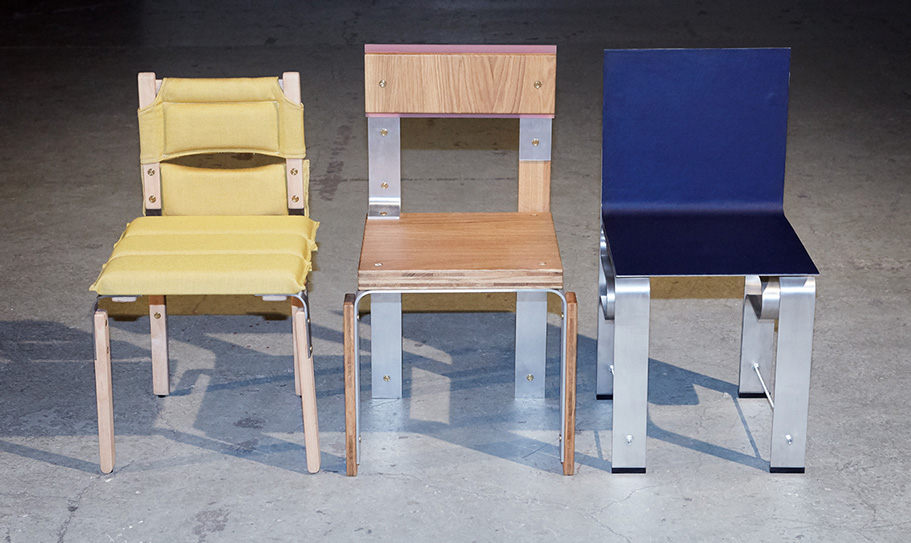
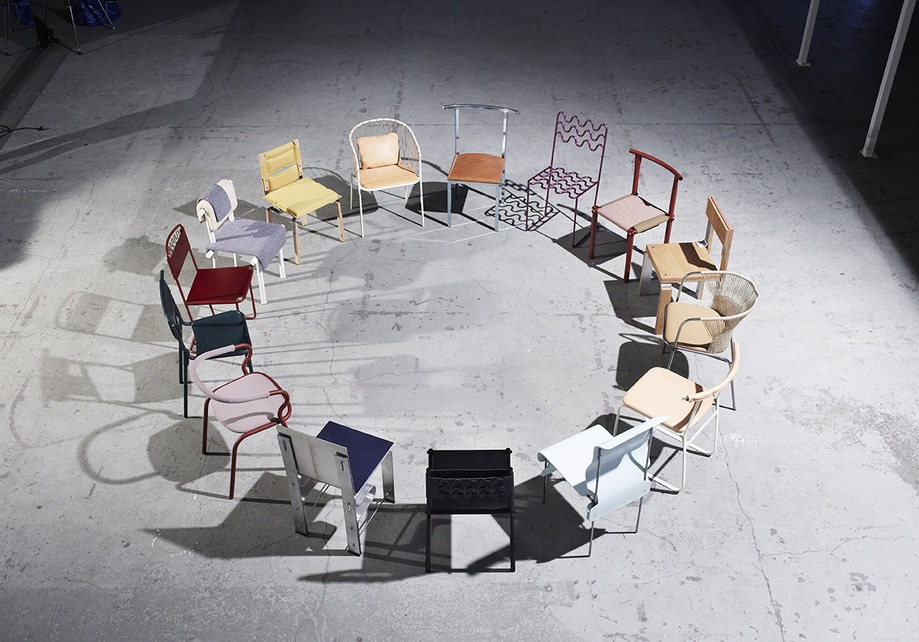
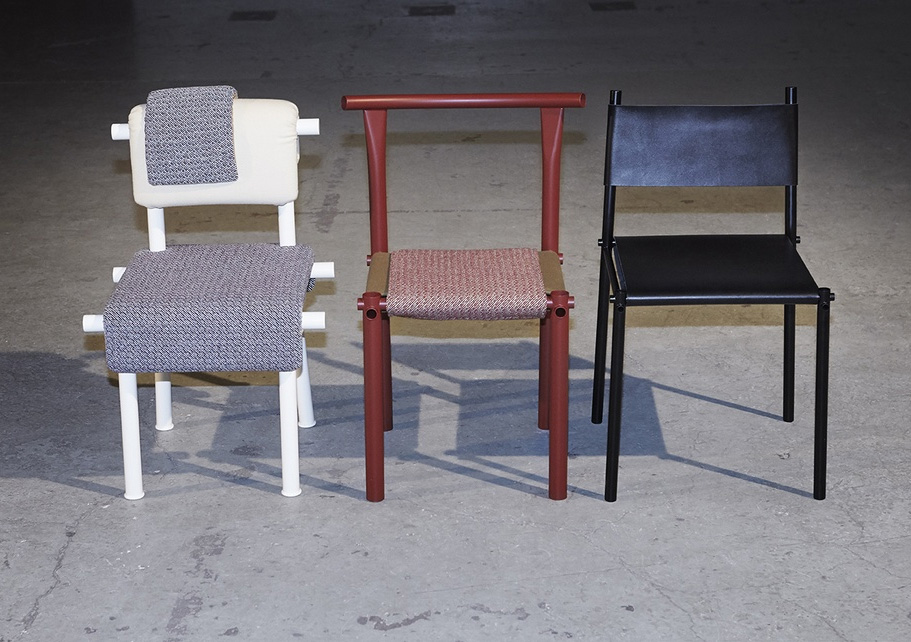
Five designers are challenged to break patterns in order to find new styles and methods.It starts individually with the designing of a chair each, only to be infiltrated by each other’s shapes in the following two stages. Each chair moves on to the next designer, who in turn must use 20-40% of the chair’s form elements for a new chair. Consequently, fragments, pieces and artistic expressions are inherited from the previous generation. Everything is done under time pressure and with no insight into what the others are doing. There are now three generations with a total of fifteen chairs that are related to each other. Each generation of chairs is followed by a group discussion where they reflect on: What happens to the style and design? What happens within us? What can we learn? Does it create diversity, development or conformity?
The purpose of the project is not to make the best chairs or the best design. After following the project one might assume that it is about processing any possible design traumas, challenging authorship, finding new ways to collaborate. But for the initiator Margot Barolo, those three are just ingredients, or means, for developing new ideas on alternative designer roles and design production. All that she will reveal in this book.
It can be seen as an instruction, as well as a debate post, or an inspiration. For all of you who are interested in processes, artistic work, design and its place within production and goods this book are of interest.